
By MS Ingawa
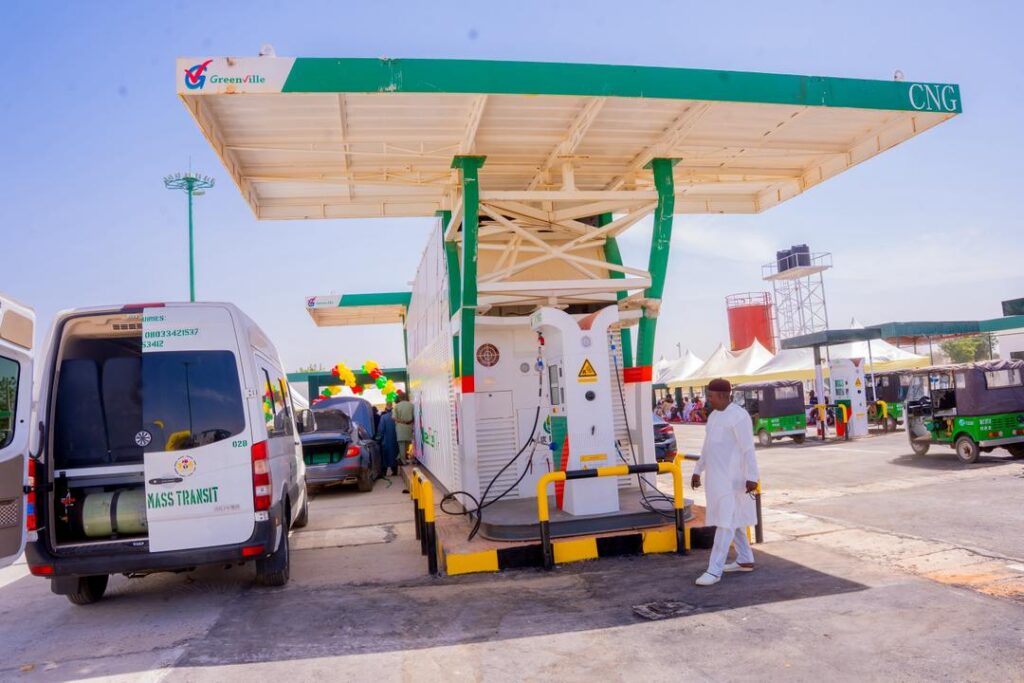
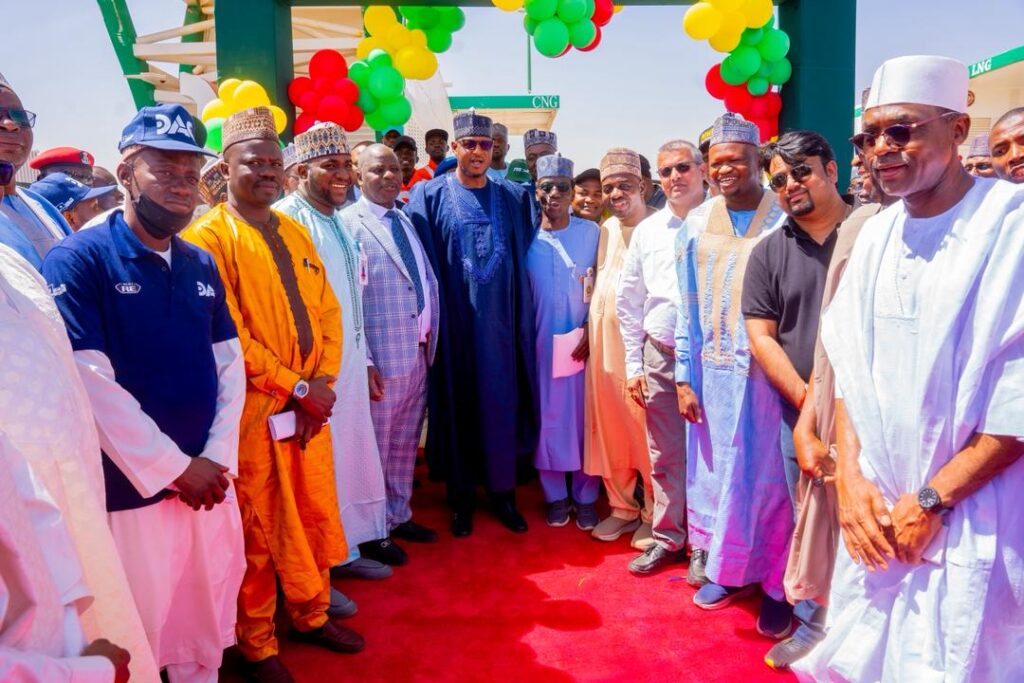
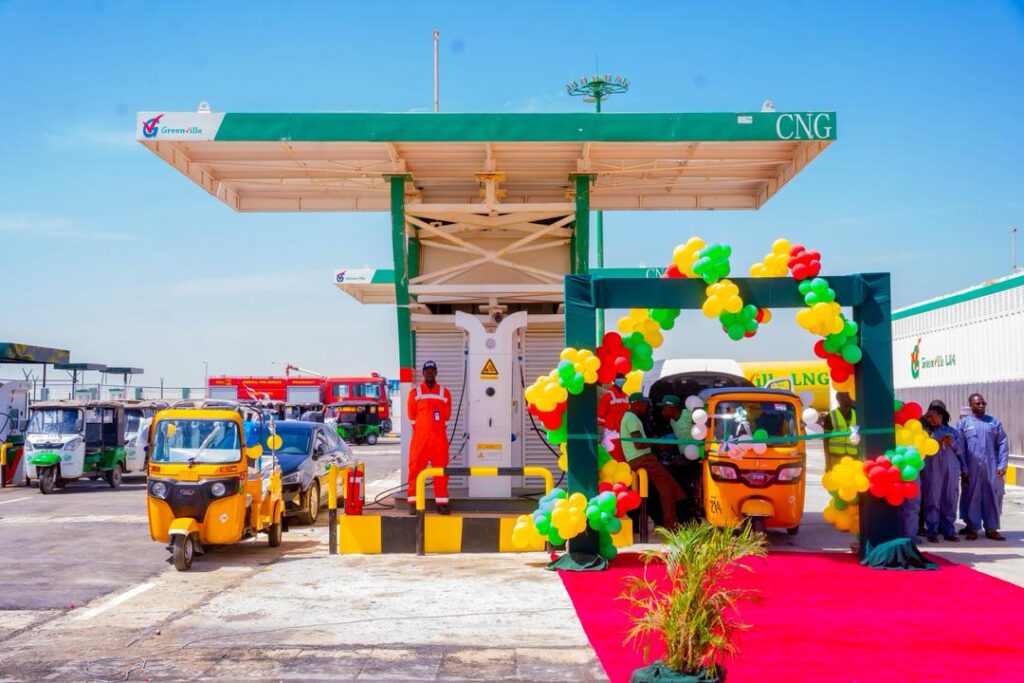
The recent commissioning of the first-ever Liquefied Compressed Natural Gas (L-CNG) facility in Katsina marks another major milestone in the State’s strategic contribution to Nigeria’s energy transition. The project aligns with the Federal Government’s Decade of Gas agenda and reinforces Katsina’s commitment to cleaner, cost-efficient, and sustainable energy solutions.
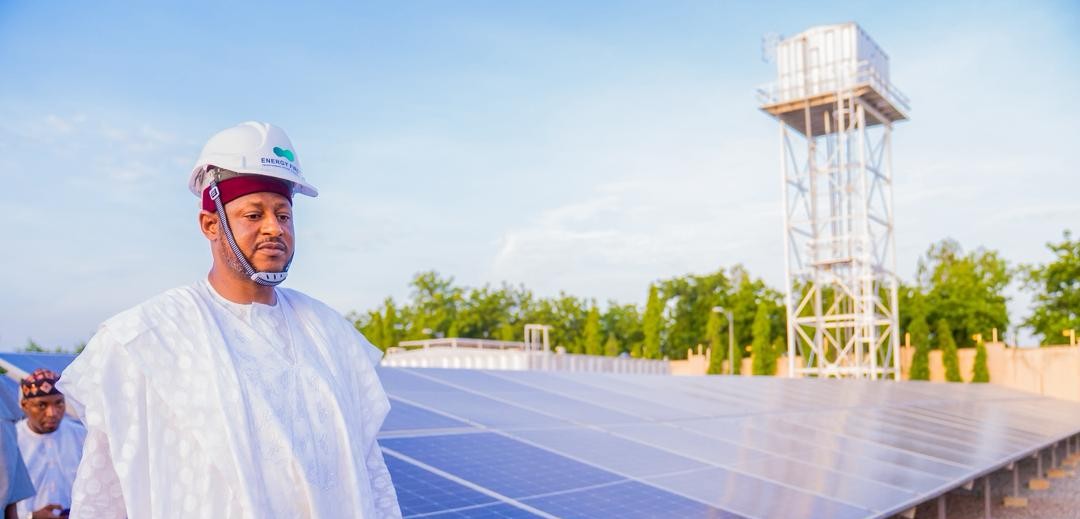
This achievement builds on a series of bold reforms and investments undertaken by the State Government in the last two and a half years under the able leadership of Malam Dikko Umaru Radda, Ph.D, CON. The Katsina State Executive Council has approved the deployment of about 30MW of renewable energy solutions across the state and installed over 100 kilometers of solar-powered street lights to enhance energy access, security, and public service delivery. The State has set the pace of reviving and is hybridizing the 10MW Lambar Rimi Wind Farm with an additional 10MW solar plant, creating a 20MW renewable energy facility that strengthens its clean energy portfolio.
In addition, Katsina has institutionalized its energy transformation through the adoption of a comprehensive Power and Energy Policy and the development of an Integrated Power Resource Framework to guide long-term planning. The execution of an MoU with KEDCO, the procurement of critical power infrastructure, and the State’s key role in establishing the structured financing through the $500m Genesis Energy deal and N50bn Future Energies deal further demonstrate its leadership in implementing the Electricity Act and deepening subnational electricity market reforms.
This article seeks to provide details of the administration’s successes in the power and energy sector from inception.
BACKGROUND AND CONTEXT
According to the International Energy Agency (IEA), over 80 million Nigerians, approximately 40% of the country’s population, still lack access to electricity. For those connected to the national grid, supply remains largely unreliable, with available generation fluctuating below 6 GW for a population exceeding 200 million people. As a result, households, businesses, and institutions depend heavily on diesel and petrol (PMS) generators, which can cost up to four times more than on-grid electricity. These alternatives are not only expensive but also environmentally harmful. Moreover, the volatility in diesel prices due to the Russia–Ukraine conflict and the significant increase in PMS prices following the removal of fuel subsidies have further compounded the energy burden on citizens and businesses.
Energy poverty, therefore, is not peculiar to Katsina State; it is a national challenge requiring coordinated and strategic intervention. However, while the problem is national in scope, solutions must also be driven at the subnational level, where implementation and impact are most tangible.
Globally, there is a clear shift away from fossil fuel, based electricity generation due to its contribution to greenhouse gas emissions, ozone layer depletion, and climate change. This transition toward cleaner and renewable energy sources is no longer optional, it is imperative for sustainable development.
At the 21st Conference of the Parties (COP21) in Paris in 2015, Nigeria committed to reducing its greenhouse gas emissions by 47% by 2030 (conditional target) and achieving net-zero emissions by 2060. The country’s energy transition framework focuses on five critical sectors: Power, Cooking, Oil and Gas, Transport, and Industry.
As a strategic subnational entity within the federation, Katsina State has a crucial role to play in advancing these commitments. By prioritizing renewable energy deployment, promoting energy efficiency, supporting clean cooking initiatives, and creating an enabling environment for sustainable investments, Katsina can contribute meaningfully to Nigeria’s national energy transition goals while simultaneously addressing its own developmental and energy access challenges.
In this context, energy transition is not merely an environmental agenda, it is an economic, social, and developmental imperative.
POLICY, DATA AND INSTITUTIONALIZATION
Since assuming office in 2023, the administration of His Excellency, Malam Dikko Umaru Radda, PhD, CON, has recorded significant and enduring achievements in the power and energy sector, laying a solid foundation for a sustainable and resilient future. A defining early step in this journey was the appointment of the highly competent and forward-thinking Dr. Hafiz Ahmed as the Special Adviser, Katsina State Department of Power and Energy. Entrusted with a clear mandate, Dr. Hafiz has provided both the technical expertise and administrative leadership required to drive reforms and strategic interventions in one of the most critical sectors of the Radda administration.
At the core of these achievements lies a robust policy framework that institutionalizes decision-making processes and provides the legal and regulatory foundation necessary to drive sustainable development in the energy sector. It is within this context that the Katsina State Government developed the Katsina State Policy on Power and Energy Systems, a comprehensive framework designed to articulate the State’s short-, medium-, and long-term strategy for energy deployment.
The policy aims to strengthen transmission and distribution infrastructure, expand access to electricity across urban and rural communities, and promote private sector participation in the energy value chain. Approved by the State Executive Council on May 7, 2025, the policy establishes a clear pathway toward achieving a reliable, affordable, and sustainable energy supply in Katsina State. It provides strategic direction, regulatory clarity, and investment signals necessary to unlock growth in the sector.
Complementing this milestone is the development of the Katsina State Integrated Resource Plan (IRP) Framework, which serves as a strategic planning compass for meeting the State’s present and future electricity demand. The IRP is designed to guide least-cost, data-driven, and sustainable energy planning across the entire electricity value chain, generation, transmission, distribution, and end-use consumption, ensuring that investments align with consumer needs and long-term development objectives.
In furtherance of this vision, the Katsina State Government, on May 17, 2025, signed a Letter of Cooperation with the Power Africa Nigeria Power Sector Program (PA-NPSP), the United States Agency for International Development’s (USAID) flagship electrification initiative in Nigeria. The program supports comprehensive power sector reforms, strengthens the enabling environment, and promotes increased private sector investment, critical pillars for expanding access to affordable and reliable electricity nationwide.
The PA-NPSP targets the addition of 10,000 MW of new generation capacity and the creation of three million new electricity connections across Nigeria. Through this collaboration, Katsina State secured technical support to develop a comprehensive resource plan for its electricity sector, ensuring informed decision-making and evidence-based investment planning.
With the completion of the Integrated Resource Plan, Katsina State now possesses a strategic roadmap for energy development, credible data to attract investors, and a structured framework to guide implementation. The State has effectively moved from aspiration to structured planning, positioning itself as a subnational leader in energy sector reform and sustainable power development.
DEVELOPMENT OF MICRO-GRIDS AND STANDALONE SOLAR SYSTEMS
A central pillar of the State’s energy policy implementation is the strategic exploitation of Katsina’s comparative advantage, its abundant solar irradiation. By prioritizing the deployment of solar power systems, the Government is systematically reducing dependence on carbon-intensive energy sources while expanding access to reliable electricity.
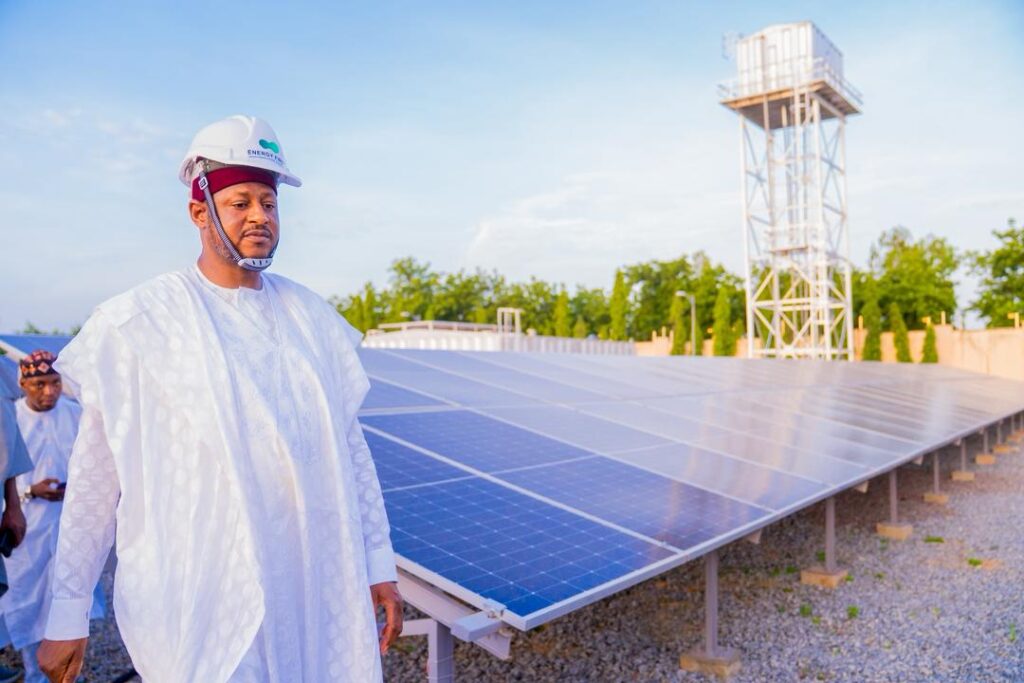
As of the time of this report, the Katsina State Government, under the leadership of His Excellency, Malam Dikko Umaru Radda, Ph.D., CON, has approved the deployment of over 30MW of renewable energy solution across the state, achieved within just two and a half years of focused intervention. This progress underscores a deliberate shift toward clean, decentralized, and resilient energy systems.
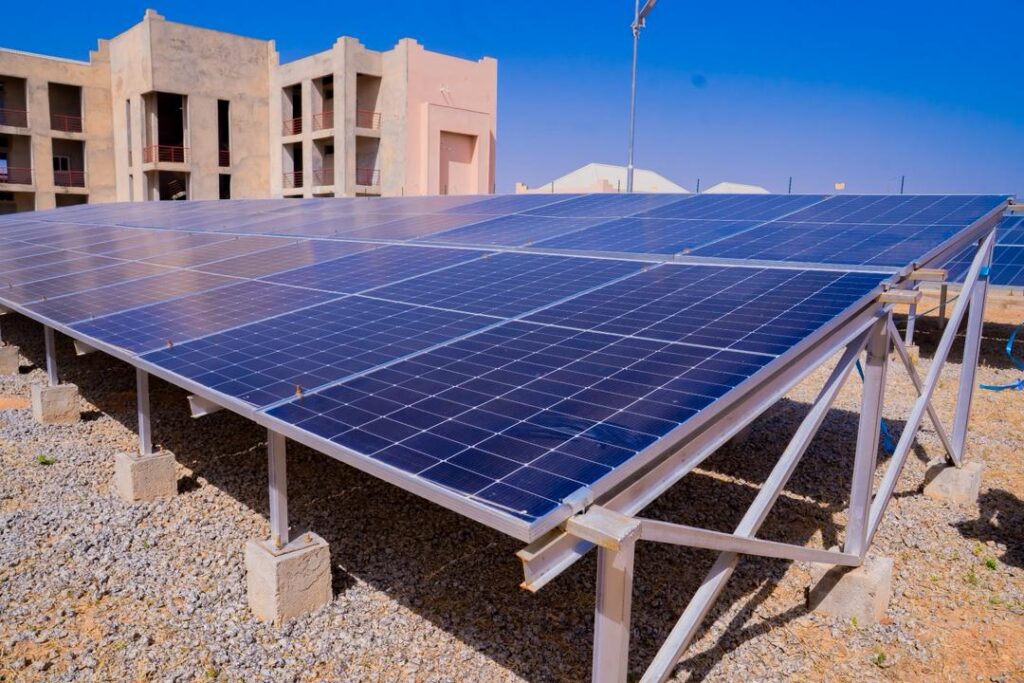
The Department of Power and Energy has achieved significant milestones in the development of micro-grids and standalone solar systems, aimed at providing reliable, renewable electricity to critical public infrastructure. These efforts include the installation of about 2.7MW of solar mini- and micro- grids across major government facilities. Key installations include a 1MW Solar PV system with 1MWh Battery Energy Storage System (BESS) at the Government House, a 1MW Solar PV system with 600kWh BESS at the State Secretariat, a 300kW Solar PV system with 300kWh BESS at the General Hospital Katsina, 3-100kW of Solar PV systems at Katsina State Radio, General Hospital Kankia, and DICT.
The State has also broken ground for the installation of a 1MW Solar Power System at Danja Dam and has completed the survey, design and Environmental Impact Assessment (EIA) for additional 1MW solar power system each at Ajiwa, Zobe, and Funtua Dams. These projects are aimed at enhancing sustainable access to clean and potable water for domestic use while strengthening irrigation capacity to support agricultural productivity across the State.
In addition, smaller-scale projects have been deployed to enhance energy access across other critical offices, including a 50kW micro-grid at the Katsina Directorate of Information and Communication Technology (KADICT), a 40kW standalone solar system at the SDG Office, a 20kW system at the Department of Power and Energy, a 10kW system at the Department of Infrastructure Development, and a 10kW system at Minsitry of Internal Security and Home Affairs. These installations not only ensure uninterrupted power supply but also demonstrate the State’s commitment to sustainable, decentralized, and resilient energy solutions.
These systems integrate battery storage solutions to ensure uninterrupted power supply, particularly during peak demand and grid outages, thereby enhancing energy reliability and operational continuity.
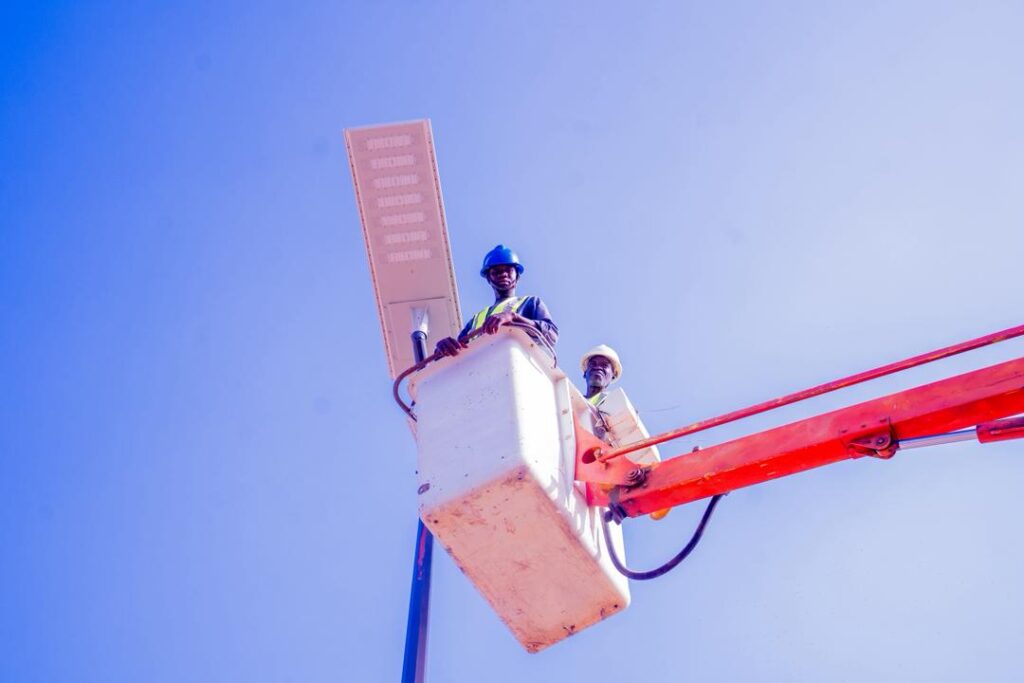
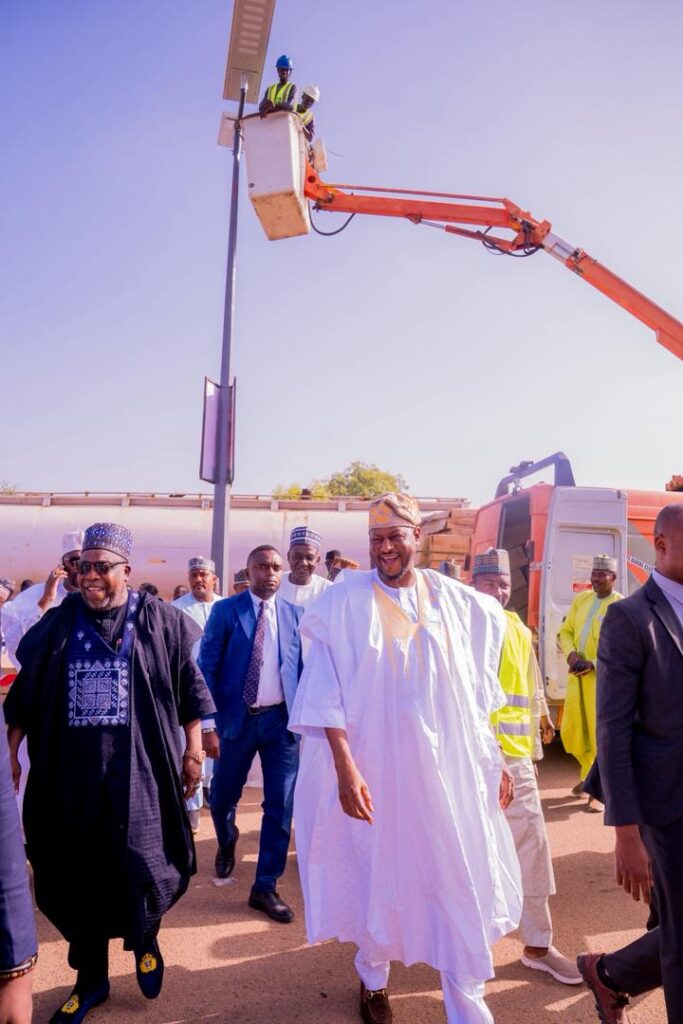
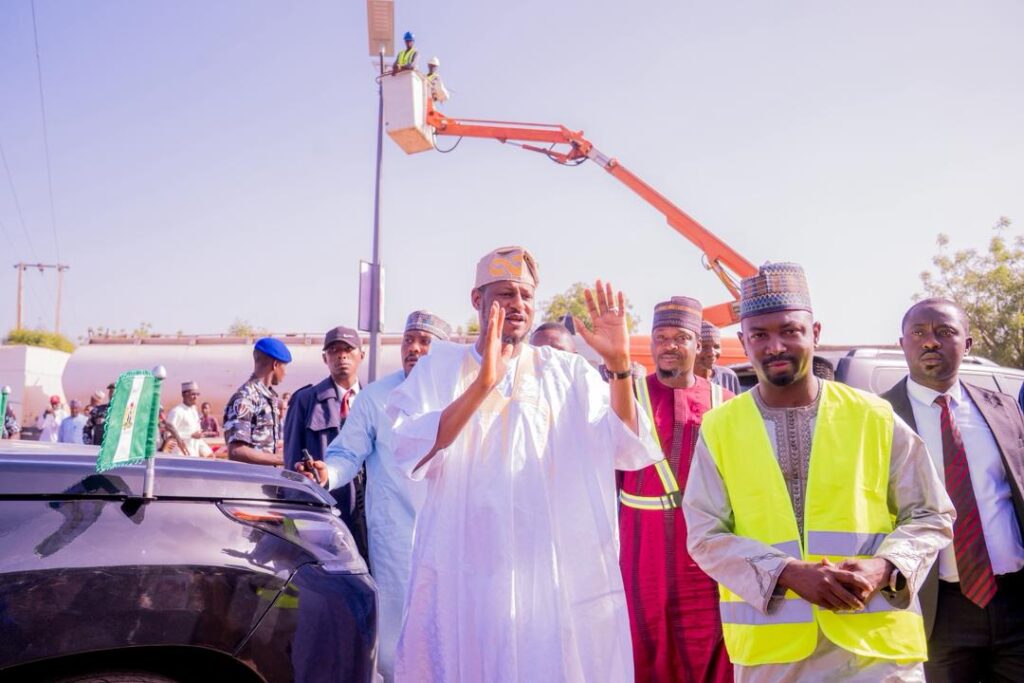
In addition, the State has achieved another major milestone in public lighting infrastructure with the installation of over 100 kilometers of solar-powered streetlights along key road networks. These installations span strategic urban and highway corridors, including major routes within Katsina Metropolis such as Katarda Roundabout to Ring Road and Usman Nagogo/Daura Road, as well as key highways including Yahaya Madaki Way, Dutsinma Road, and Al-Qalam Roundabout. Expansion areas have also been illuminated, covering routes from Steel Rolling Mill Roundabout to Dutsinma Junction and Al-Qalam Roundabout to Mangal Rice Mill, significantly enhancing road safety, visibility, and public security across the State.
These installations have significantly enhanced road visibility and safety, reduced criminal activity, stimulated nighttime economic activity, and improved overall urban livability. Collectively, these interventions have improved operational efficiency across government institutions, reduced recurrent energy costs, strengthened healthcare delivery through uninterrupted power supply to critical medical facilities, and minimized reliance on expensive grid electricity and diesel-powered generators.
THE ROLE OF KATSINA IN NIGERIA’S GAS EXPANSION PROGRAM
Nigeria’s Gas Expansion Program (NGEP), under the broader “Decade of Gas” initiative, is designed to transform the nation into a gas-powered economy by 2030. The program seeks to accelerate domestic utilization of Nigeria’s vast gas reserves, estimated at over 210 trillion standard cubic feet (tscuf), by promoting Compressed Natural Gas (CNG) for transportation, Liquefied Petroleum Gas (LPG) for cooking, and gas-based industries to drive economic growth, create jobs, and support the country’s energy transition. By providing alternative energy sources, stimulating demand through infrastructure development, and encouraging private sector investment, the NGEP targets over $60 billion in investments across pipeline and processing projects.
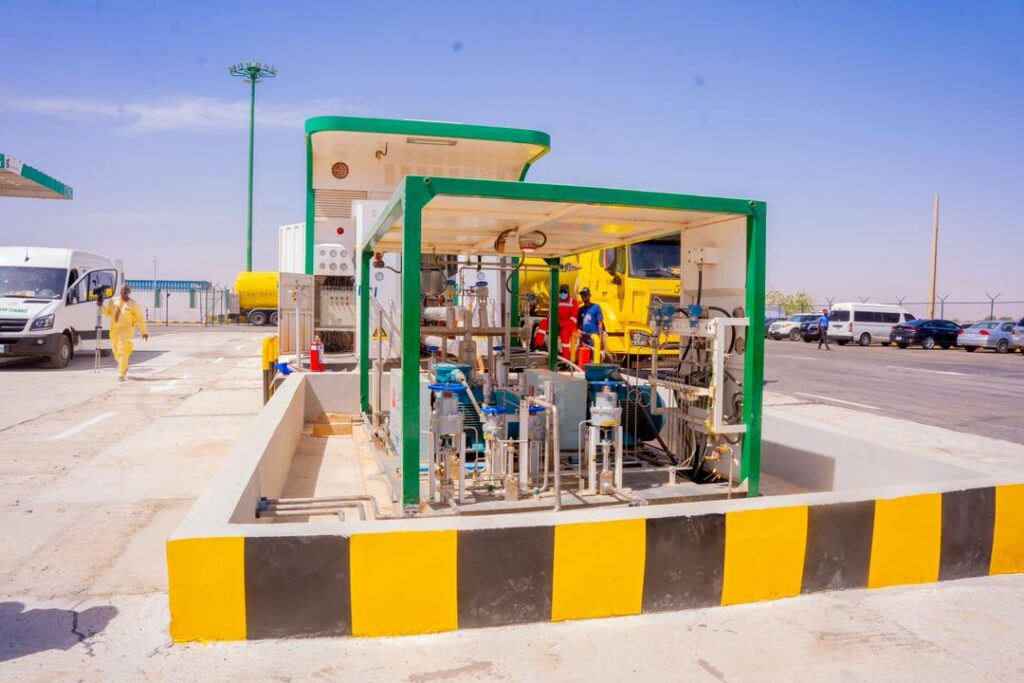
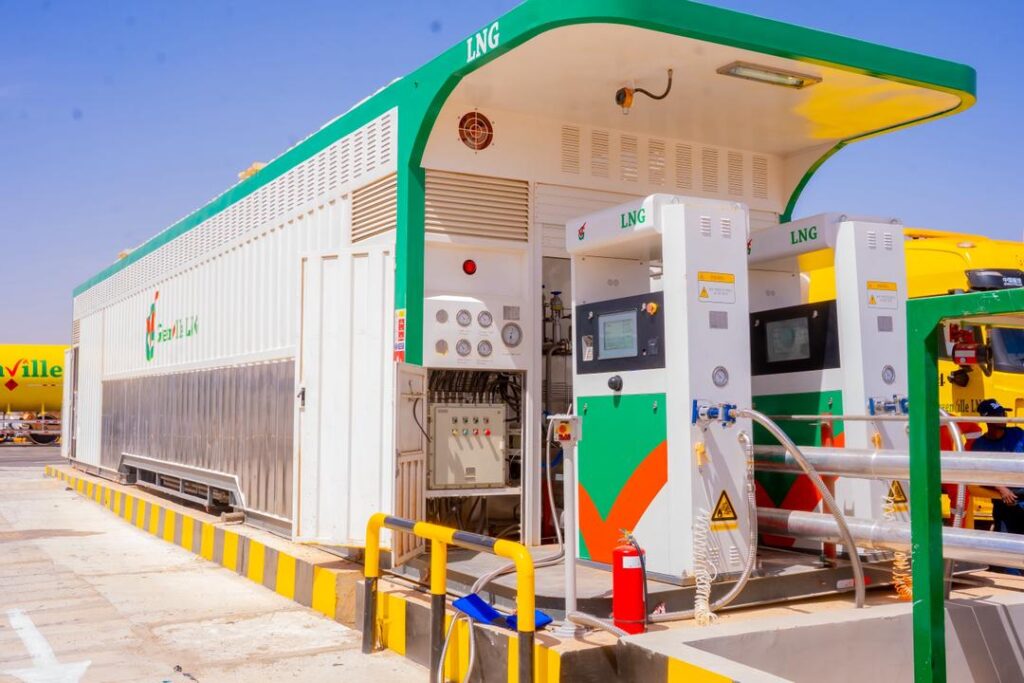
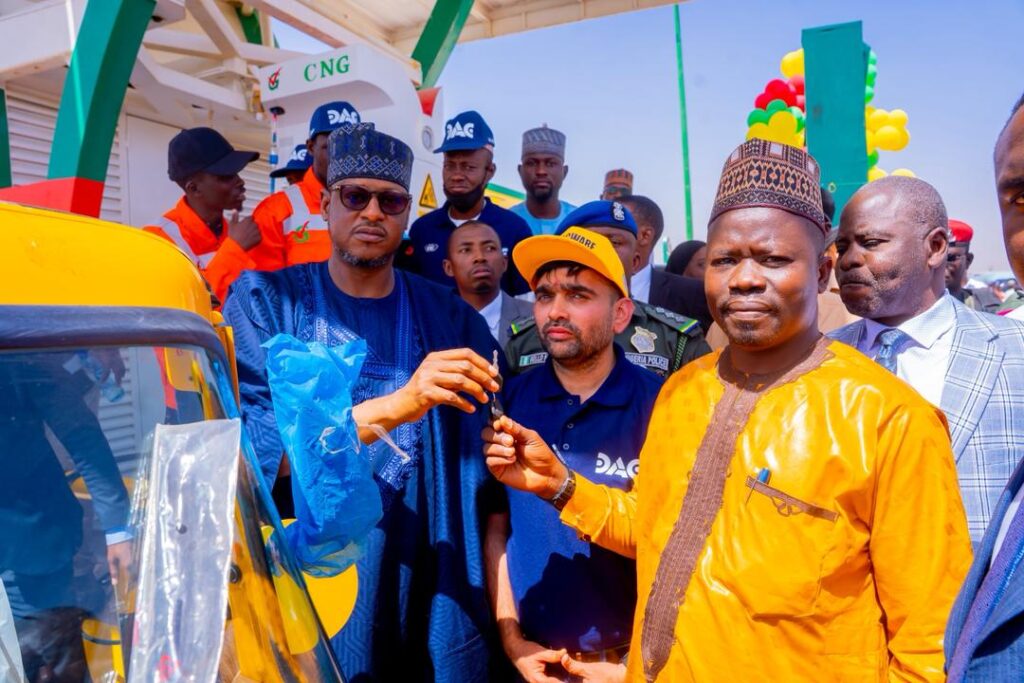
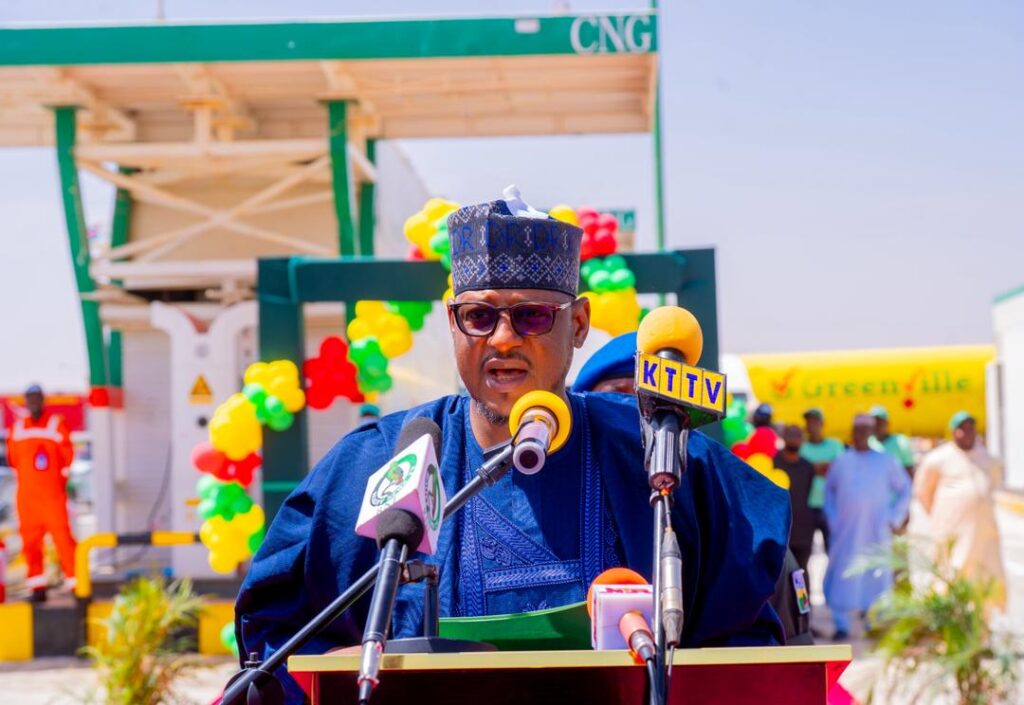
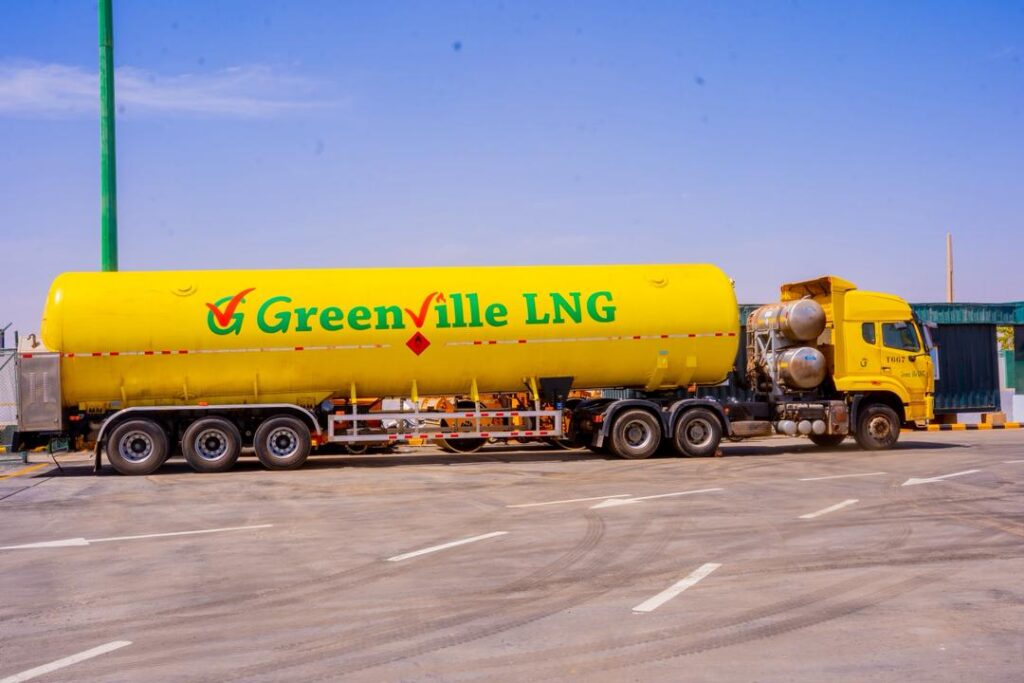
Determined to play a strategic role in this global and national agenda, the Katsina State Government partnered with Greenville LNG Ltd to establish a state-of-the-art Liquefied Natural Gas (LNG) and Liquefied Compressed Natural Gas (L-CNG) facility in the heart of Katsina Metropolitan. This initiative is aimed at expanding access to clean, reliable, and cost-effective energy for transportation, cooking, and industrial applications.
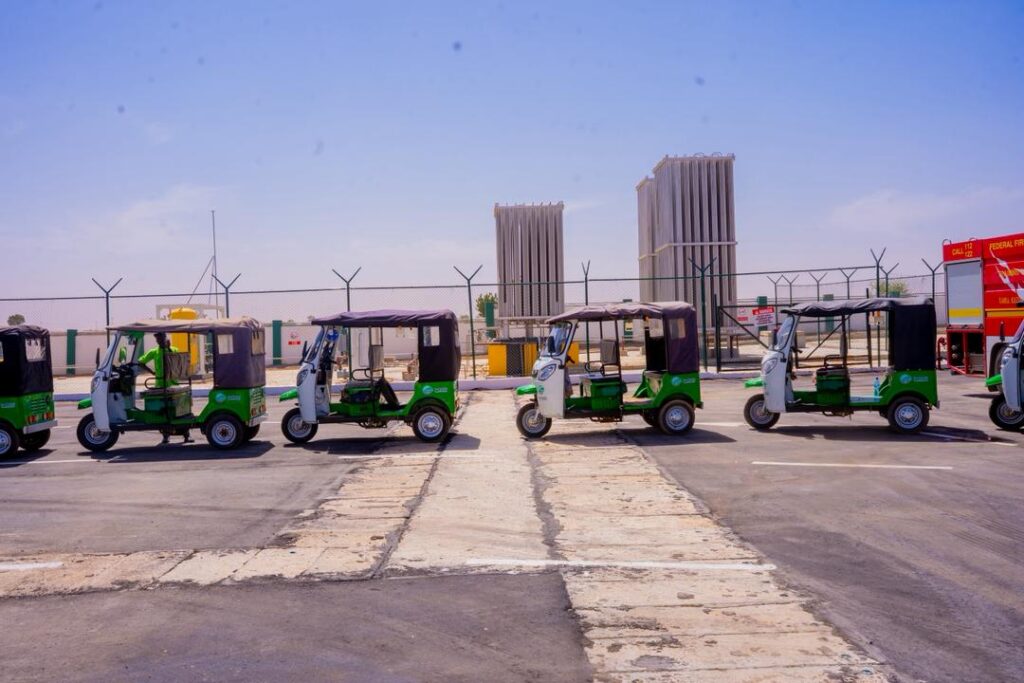
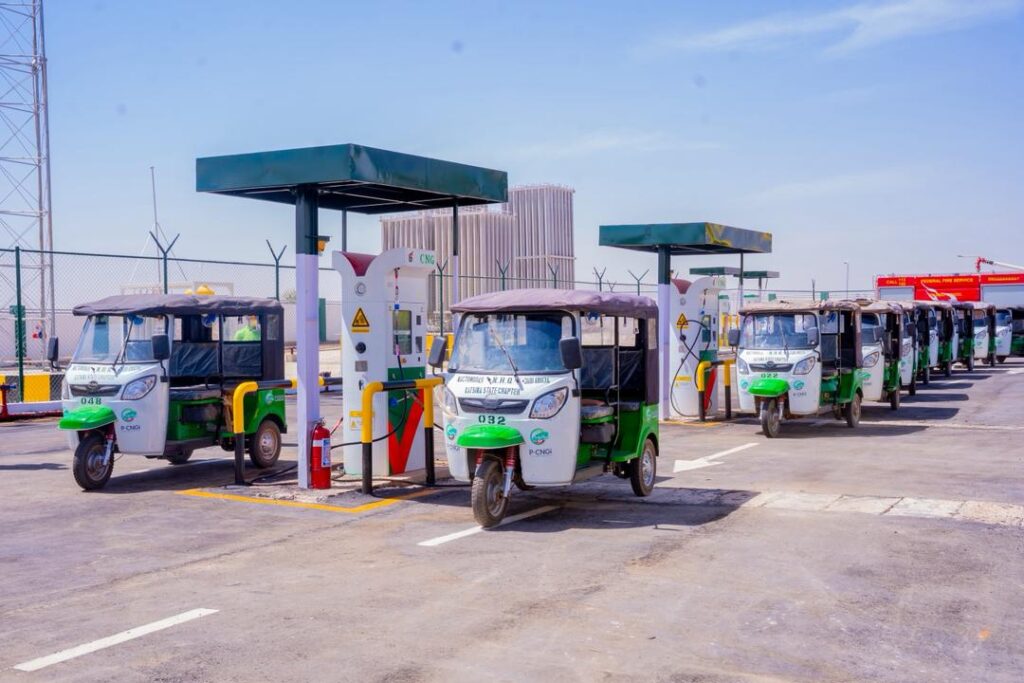
Situated on a 50,636-square-meter site, the Greenville Project in Katsina comprises two integrated components: a 23-ton LNG plant with two dedicated dispensers, and a 2,400 cubic meter per hour CNG plant featuring two cascade dispensers for bulk supply, two high-flow dispensers for vehicular refueling, and a total of eight discharge points for cars, tricycles, and motorcycles.
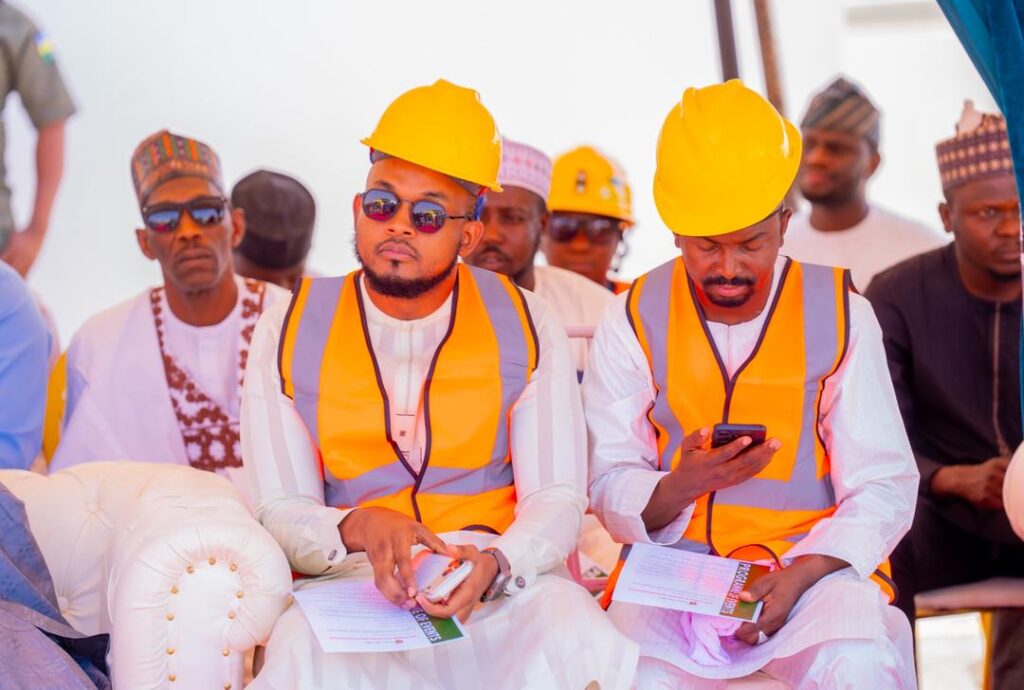
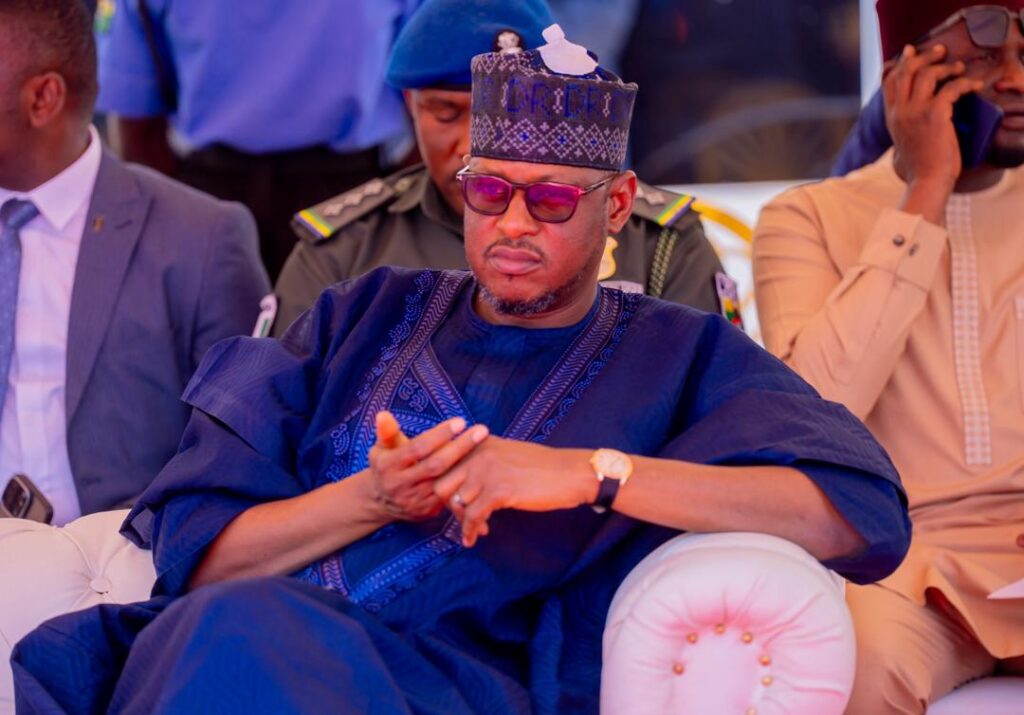
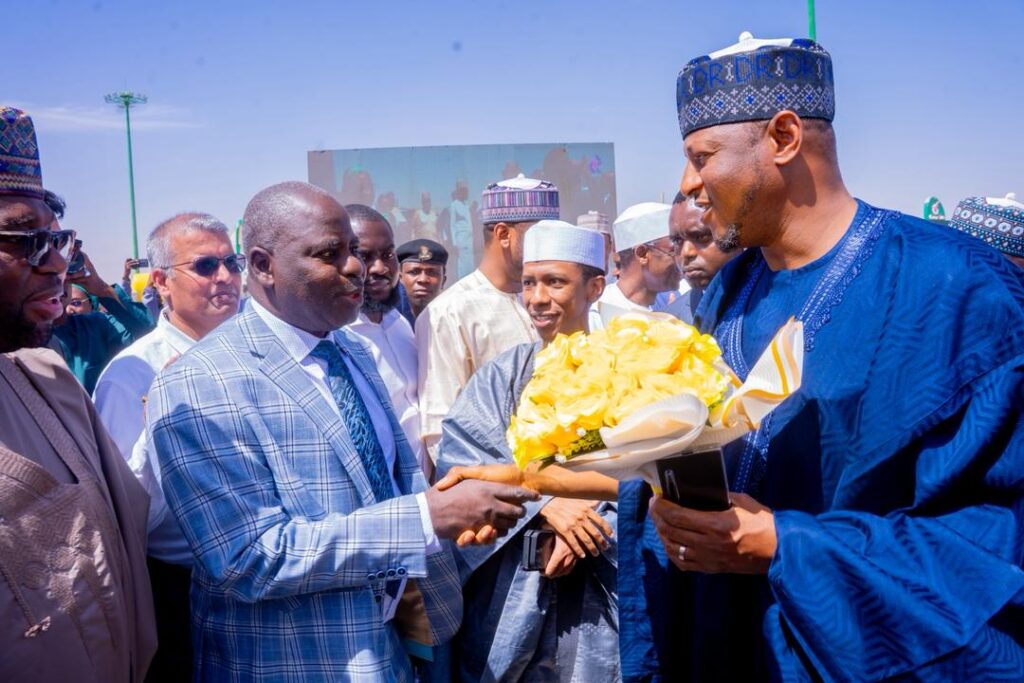
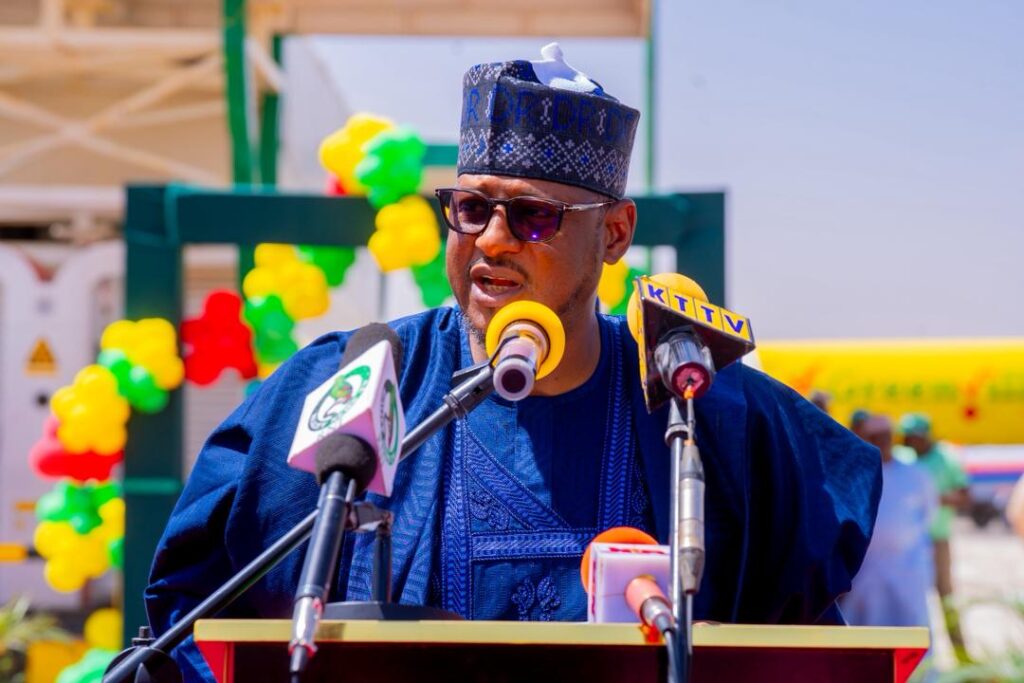
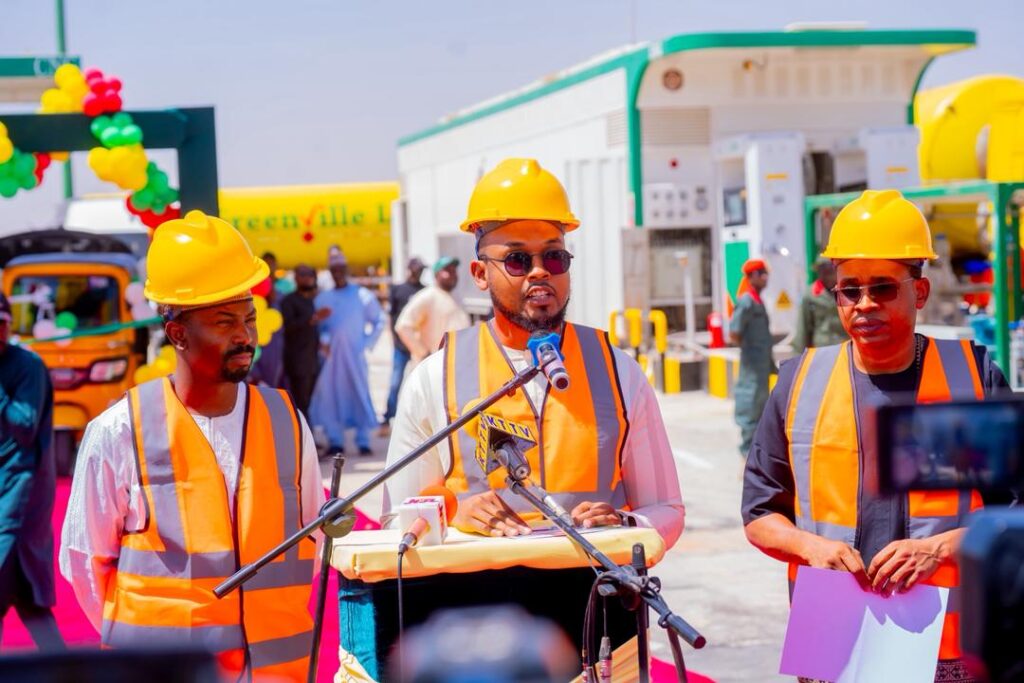
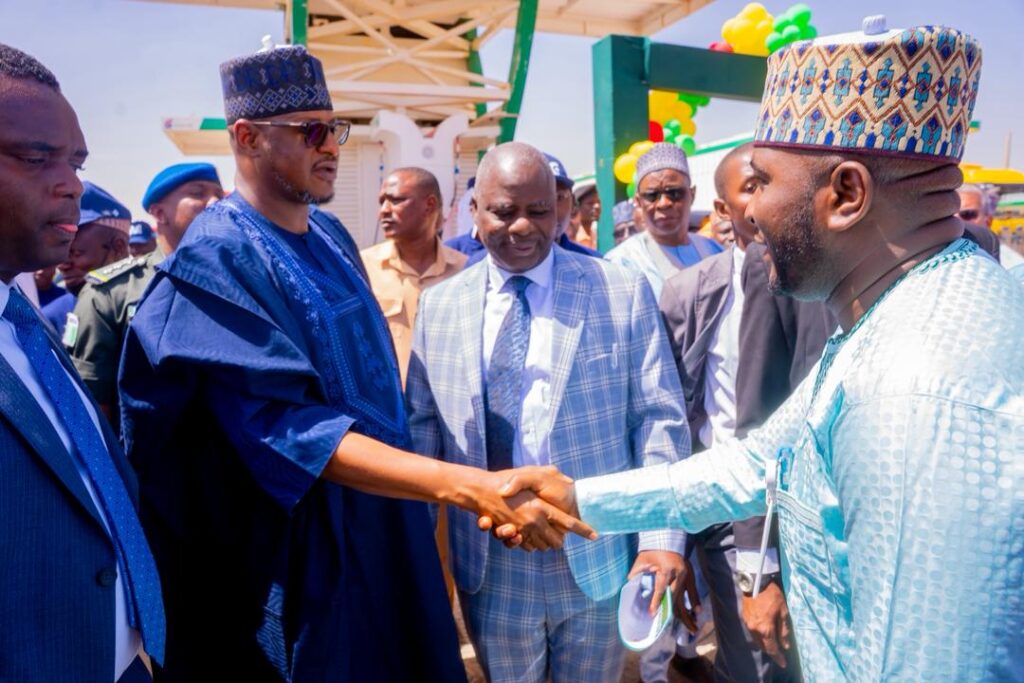
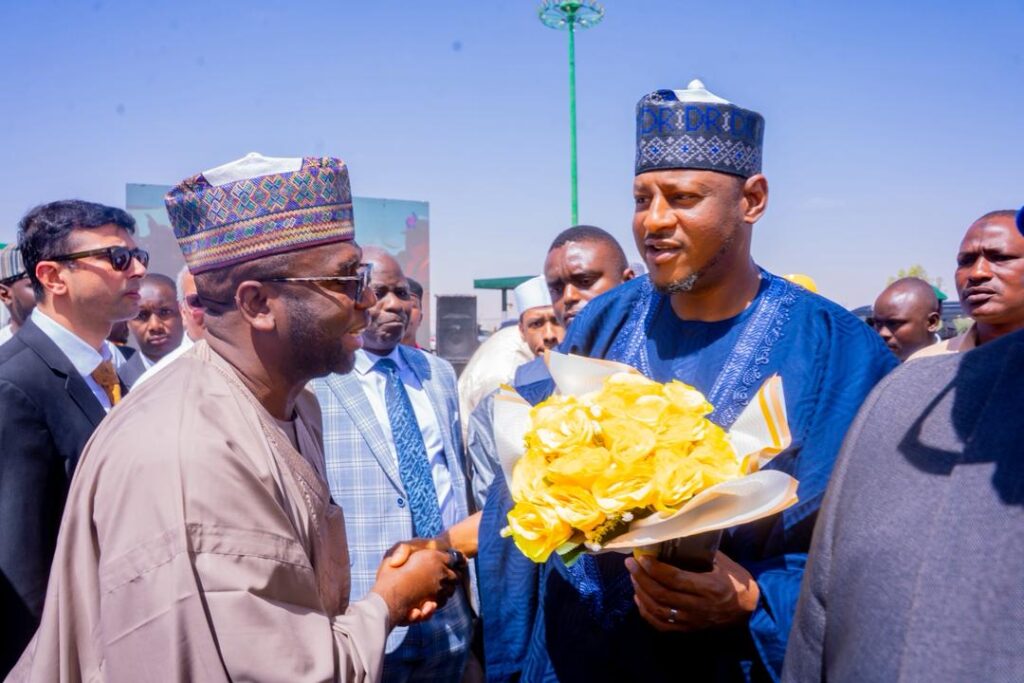
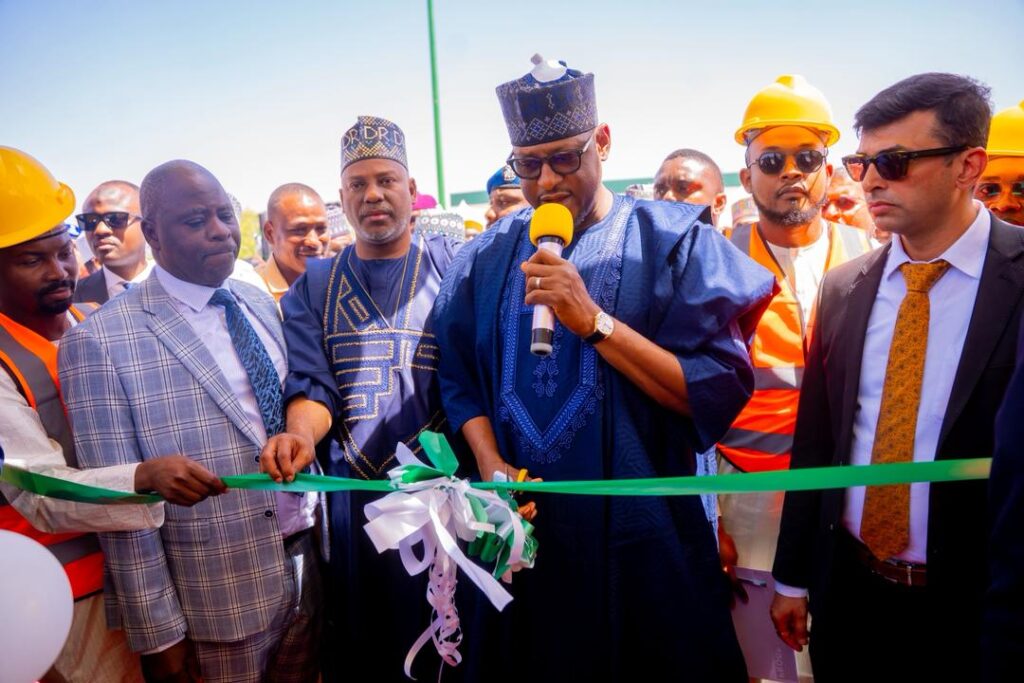
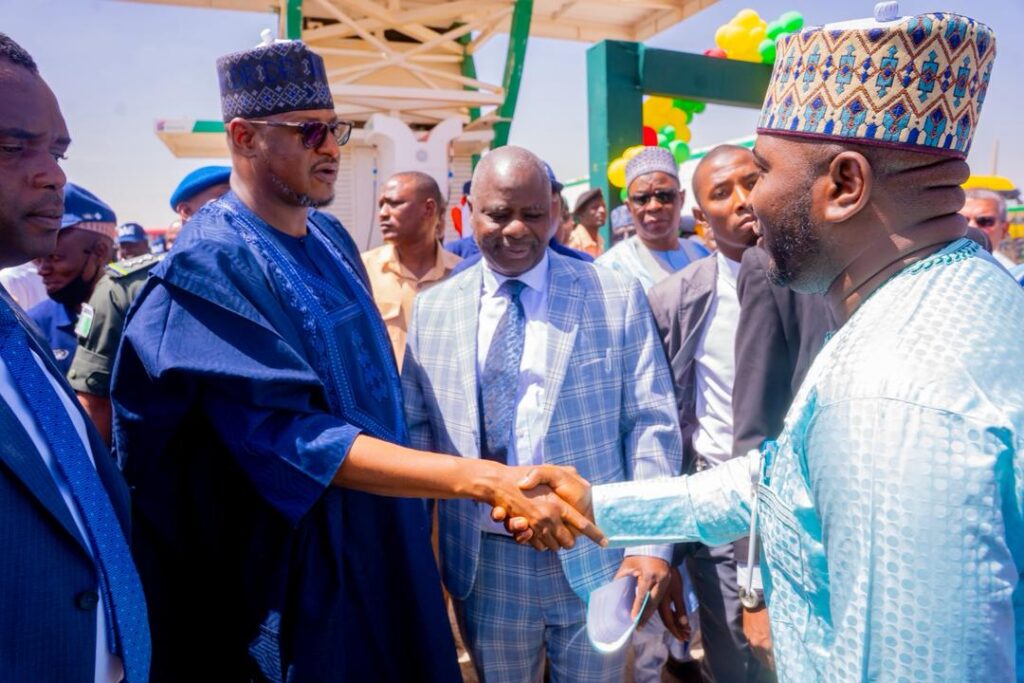
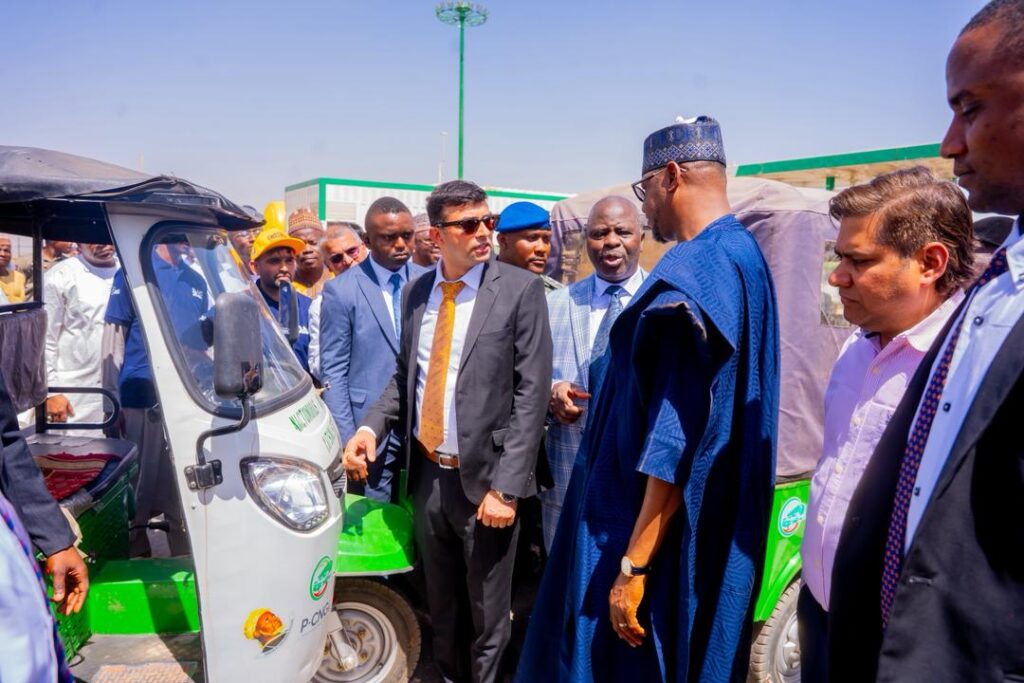
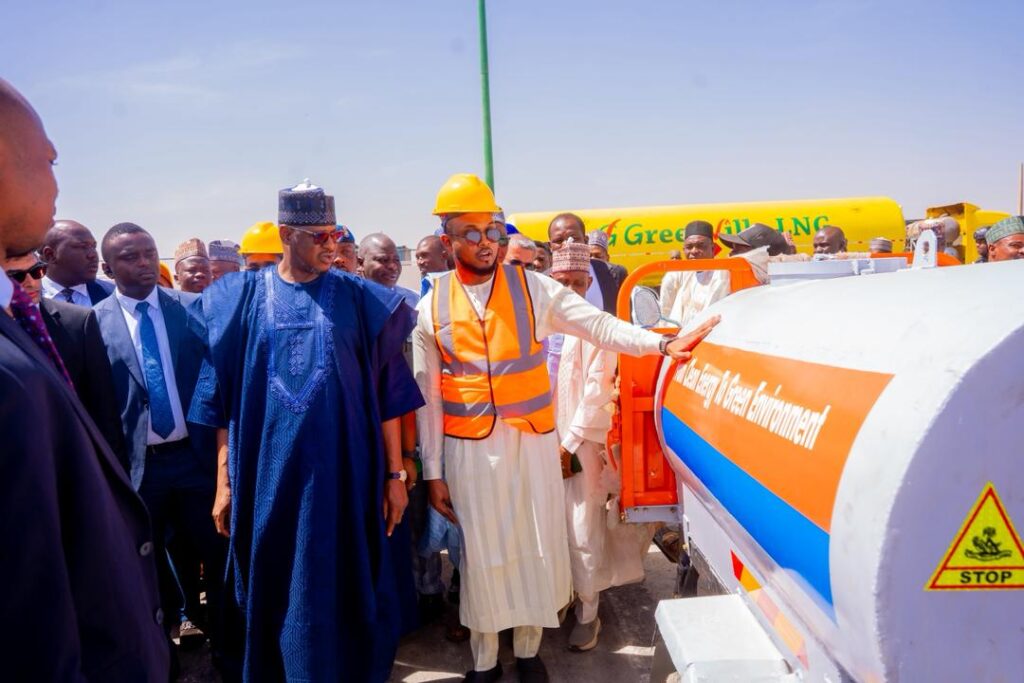
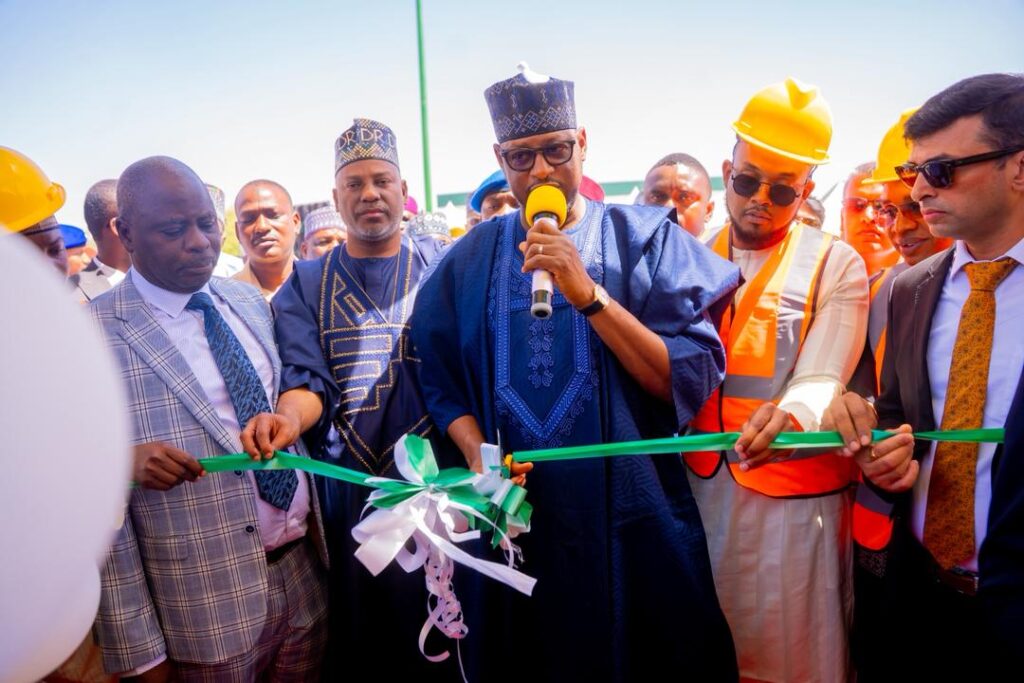
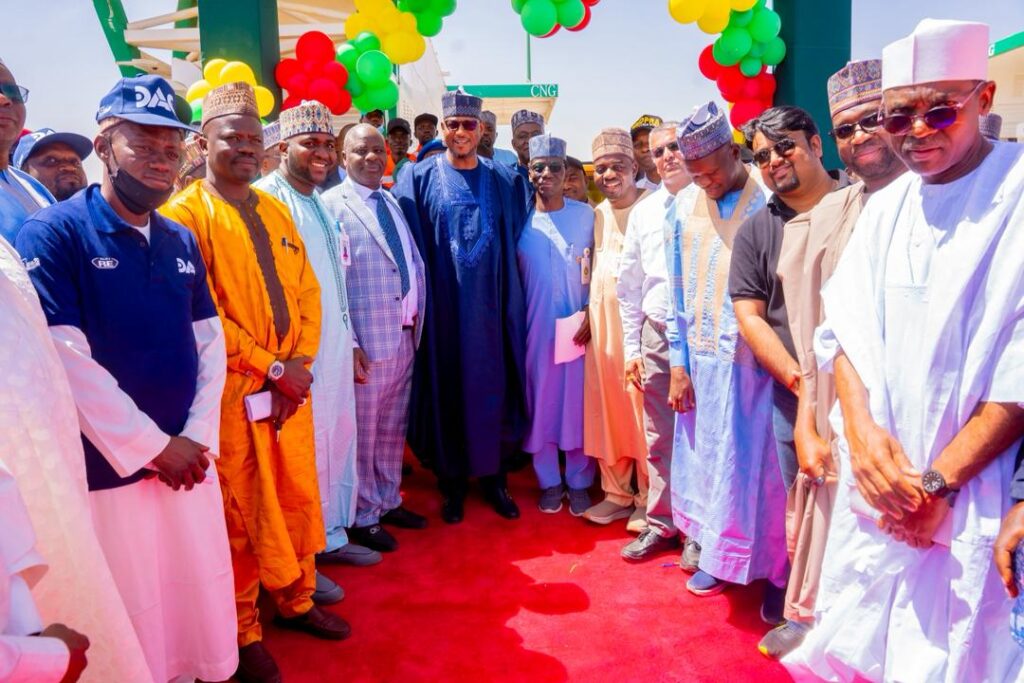
Commissioned on Thursday, February 12th, 2026, the Greenville LNG facility represents the first-ever L-CNG station in Katsina State, marking a new era of sustainable, affordable, and environmentally friendly energy solutions. The project is poised to create jobs, stimulate economic activity, advance global development goals, and position Katsina as a leader in clean energy adoption and green, sustainable development.
Another vital investment that contributes to the NGEP is the Safe Space Energy Project. The project includes the establishment of a CNG mother station, a daughter station for local refueling, and an electric vehicle charging hub with 100 charging points. It also plans to deploy 50 CNG-hybrid vehicles capable of long-distance travel to cities like Kano, Kaduna, and Abuja. The project is expected to bring multiple benefits to Katsina, including job creation, reduced carbon emissions, lower transportation costs, and the development of technical expertise among residents. The project is a product of the N489 Billion commitment from the Katsina Economic and Investment Summit held late 2025.
SUSTAINABLE AND RENEWABLE TRANSPORTATION INFRASTRUCTURE
Beyond the Greenville L-CNG Facility, which is expanding access to cleaner energy for transportation, Katsina State has made significant investments in sustainable mobility infrastructure as part of its long-term commitment to achieving Nigeria’s Net-Zero Carbon Emission target by 2060.
At its Regular Meeting of September 25, 2025, the Katsina State Executive Council approved the procurement of 30 units of 100-seater Zhong Tong hybrid CNG buses to promote environmentally friendly mass transit and reduce the cost of commuting across the State. Designed to operate on both Compressed Natural Gas and electricity, the buses will ply 60 designated bus stops through three major terminals, providing safe, reliable, and affordable transportation for the general public. The initiative places particular emphasis on students, especially female students in tertiary institutions, by improving mobility, safety, and access to education.
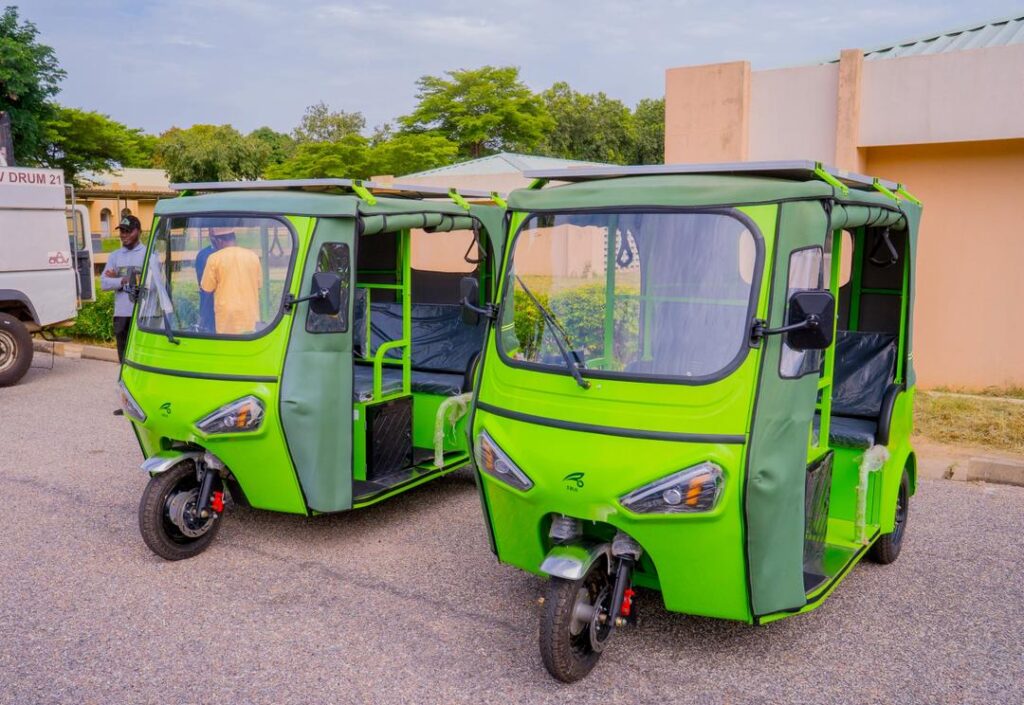
Earlier, on January 5, 2025, the Executive Council also approved the bulk purchase of a phased 500 solar-powered tricycles to further ease transportation costs at the grassroots level. Assembled locally in Nigeria, the tricycles reflect both the innovative capacity of indigenous firms and the State’s deliberate effort to align economic development with environmental sustainability.
REGIONAL ROLE AND PARTNERSHIP FOR PROGRESS
In a strategic move to strengthen regional collaboration and improve electricity distribution efficiency, the Katsina State Government deepened its participation in the power sector in November 2025 by acquiring an additional 2% equity stake in Kano Electricity Distribution Company (KEDCO) through Future Energies Africa (FEA) at a cost of ₦5,333,333,333.33. This acquisition increased the State’s total shareholding to 17%, making Katsina the largest single shareholder in the company.
The investment forms part of FEA’s revised reinvestment programme and is specifically tied to measurable infrastructure upgrades within Katsina State, particularly the deployment of distribution transformers across all 34 Local Government Areas. In furtherance of this commitment, the Katsina State Executive Council, at its 3rd Regular Meeting in 2026, approved the procurement of 200 units of 300kVA and 500kVA distribution transformers under a 50:50 counterpart funding arrangement with KEDCO. This intervention directly targets communities that have long experienced weak or unstable supply due to inadequate or faulty transformers, thereby improving electricity access and reliability in underserved areas.
Beyond state-level reforms, Katsina is leveraging the opportunities presented by the Electricity Act and Nigeria’s evolving power sector reforms to champion a broader regional electricity market. In collaboration with Kano and Jigawa States, Katsina is part of a trilateral initiative backed by a ₦50 billion regional fund aimed at strengthening distribution networks, investing in renewable energy, and expanding independent grid capacity.
In October 2025, the three states jointly acquired equity in Future Energies Africa (FEA), the core investor in KEDCO, marking a significant step toward greater regional ownership and control of electricity infrastructure. The partnership is designed to enhance energy security, stimulate industrial growth across Northern Nigeria, and reduce overdependence on the national grid. Key projects under this collaboration include the 20MW hybrid renewable energy project in Lambar Rimi, Katsina State, and a 10MW power project in Gagarawa, Jigawa State, both structured to improve supply stability and regional energy resilience.
To ensure effective coordination and long-term sustainability, the states are also establishing a joint regulatory framework to collaboratively manage and strengthen the regional electricity market. Designated representatives from each state are scheduled to meet quarterly to review progress, align policy direction, and provide strategic oversight.
CONCLUDING REMARK
Leveraging data and tools from comprehensive energy audits, a state-crafted Power and Energy Policy, the Integrated Resource Planning (IRP) Framework, strategic equity participation, targeted infrastructure investments, renewable energy expansion, and regional collaboration, Katsina State is not only transforming its domestic power sector but also taking a leading role in shaping a resilient and integrated regional electricity market in Northern Nigeria, one that places the State’s abundant natural resources at the heart of policy and decision-making.
This is Katsina under the leadership of a visionary and erudite statesman, Malam Dikko Umaru Radda, Ph.D, CON.
MS Ingawa is an ABU trained Chemical Engineer and holds Master’s degrees in Project Management and Energy Economics. With experience in energy marketing, energy financing, and energy project management, MS is also a certified Project Management Professional (PMP) from the U.S.-based Project Management Institute (PMI), with a specialized focus on energy projects.
